A futures contract (or simply a future) is a financial instrument that is in fact, set in the future. A future instrument typically has an underlying and an expiry date.
Let’s take an example: ABC Holdings (stock symbol: ABC) is a listed company in a stock exchange. The stock exchange can then also list futures instruments for ABC Holdings. These futures will have ABC Holdings as their underlying. In a very basic sense, this simply means that the future instrument is listed in-connection to or referring the ABC Holdings share. The stock exchange will also issue a multiple of futures instruments for ABC Holdings, typically one for each month. These would have names like this:
ABC Jan 21, ABC Feb 21, ABC Mar 21….
Let’s take one of the names and dissect it a bit more: ABC Jan 21
The first portion of this i.e. “ABC …” refers to the stock symbol of the underlying this future i.e. ABC. The second three letter code (“Jan”, “Feb”…) is the month and the last two digits (“21”) show the year of expiry. As you can see, it doesn’t really list down an exact date, but rather a number. This is because the expiry dates are generally a standard. We’ll discuss more about that later. At the time of buying or selling a future, what you do is to fix a price to buy or sell the underlying of the future on the date of the expiry.
Expiry dates of futures contracts
In the example above, we saw that the futures contract has the expiry month and the year but not the exact date. So how does someone know what the exact expiry date of the future is? In many markets, the expiry date is also called the settlement date. This is because the expiry date is where the final settlement of a futures contract that you bought or sold happens.
All futures exchanges publish a standard expiry/settlement calendar that lists expiry dates of futures.

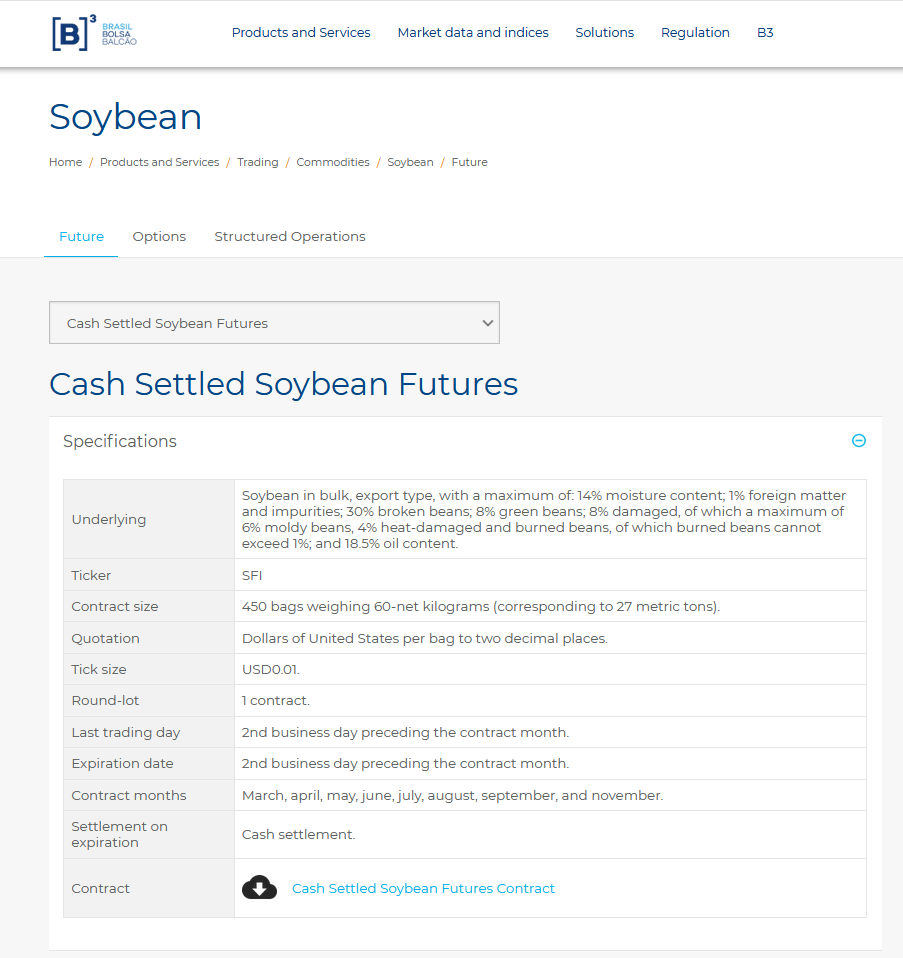
As you can see, some exchanges list the expiry/settlement dates in a calendar format, where they list each date whereas some others provide a “rule”. In any case, the traders or the investors have a clear source of information to understand when the future expires.
So what happens when the future reaches the expiry date?
How do you make a profit by trading futures?
A future is a bet on the underlying’s price at a future point in time, the expiry date. Let’s say the ABC share is trading at 50$ a share right now. But you believe in 3 months’ time, the share will go down to 49$ per share. A 1$ or a 2% drop in 3 months. What you can do is to sell a future that expires in 3 months at the current price, or even slightly lower or higher.
Let’s say you sell a future at 50$ now, i.e. the current market price. In 3 months you are obliged to sell the underlying, i.e. ABC, to the buyer at 50$. The buyer of the future is obliged to buy it from you. Now what if the market price has gone down to 49$ as you expected? The buyer still has to buy it from you at 50$, regardless of the market price. This means even when the rest of the market is trading at a lower price, you as a seller of a future can sell it at 50$.
But how does this still benefit you as a seller? When we started off the example, you as the seller identified that the ABC shares would fall in the coming months. But you do not own the ABC shares. When you sell a future contract, this is not a problem up until the date of expiry. On the date of expiry, you have to to give the ABC share to the buyer. For you to do this, you need to buy the share from the market.
Price of the ABC share you are buying at = 49$
Price of the ABC share you are selling at = 50$
Your net profit trading future contract = 50$ – 49$ = 1$
Similarly if you thought that the price was going to go up in 3 months, you could have bought the future. Let’s say you bought an ABC future at 50$ and on the date of expiry the market price of the ABC share is 51$. As a buyer of the futures contract you are guaranteed the price that you bought it at.
Price of the ABC share you are buying at = 50$
Market price of the ABC share = 51$
Your net profit considering market price = 51$ – 50$ = 1$
Here’s an example of what your profits and losses would look like as a futures buyer/seller depending on the market price:
| Traded price | Market price on expiry date | Profit as a buyer | Profit as a seller |
| 50 $ | 55 $ | 5 $ | -5 $ |
| 50 $ | 54 $ | 4 $ | -4 $ |
| 50 $ | 53 $ | 3 $ | -3 $ |
| 50 $ | 52 $ | 2 $ | -2 $ |
| 50 $ | 51 $ | 1 $ | -1 $ |
| 50 $ | 50 $ | 0 $ | 0 $ |
| 50 $ | 49 $ | -1 $ | 1 $ |
| 50 $ | 48 $ | -2 $ | 2 $ |
| 50 $ | 47 $ | -3 $ | 3 $ |
| 50 $ | 46 $ | -4 $ | 4 $ |
| 50 $ | 45 $ | -5 $ | 5 $ |
It looks like if you are expecting the market prices of a security to fall and you want to profit from it, you can sell a future contract and secure a higher price right now.
But why would you buy a futures contract if you expect the price to rise? Couldn’t you have simply bought the underlying instead? The answer is based on a little bit of history and the financial costs of trading futures vs the underlying.



[…] our article about understanding what is a future, we discussed that when you sell a stock future, you have an agreement to deliver the underlying […]